About
Mike Moore
I am an engineer in Seattle. I like control systems, robotics and space, and I have spent my career on some combination of the three. This site is where I write up the projects I do for myself.
I write up the failures as well as the results. That is where most of the time actually goes.
B.S. Aerospace, UT Austin · M.S. Computer Eng., UHCL
The day job, briefly
I manage a software team at Amazon Leo. Before that, AWS. Before that, NASA Johnson Space Center, building spacecraft simulations.
The full version of all that lives on LinkedIn, which is the right place for it. The rest of this page is my hobby projects.
What I’m up to lately
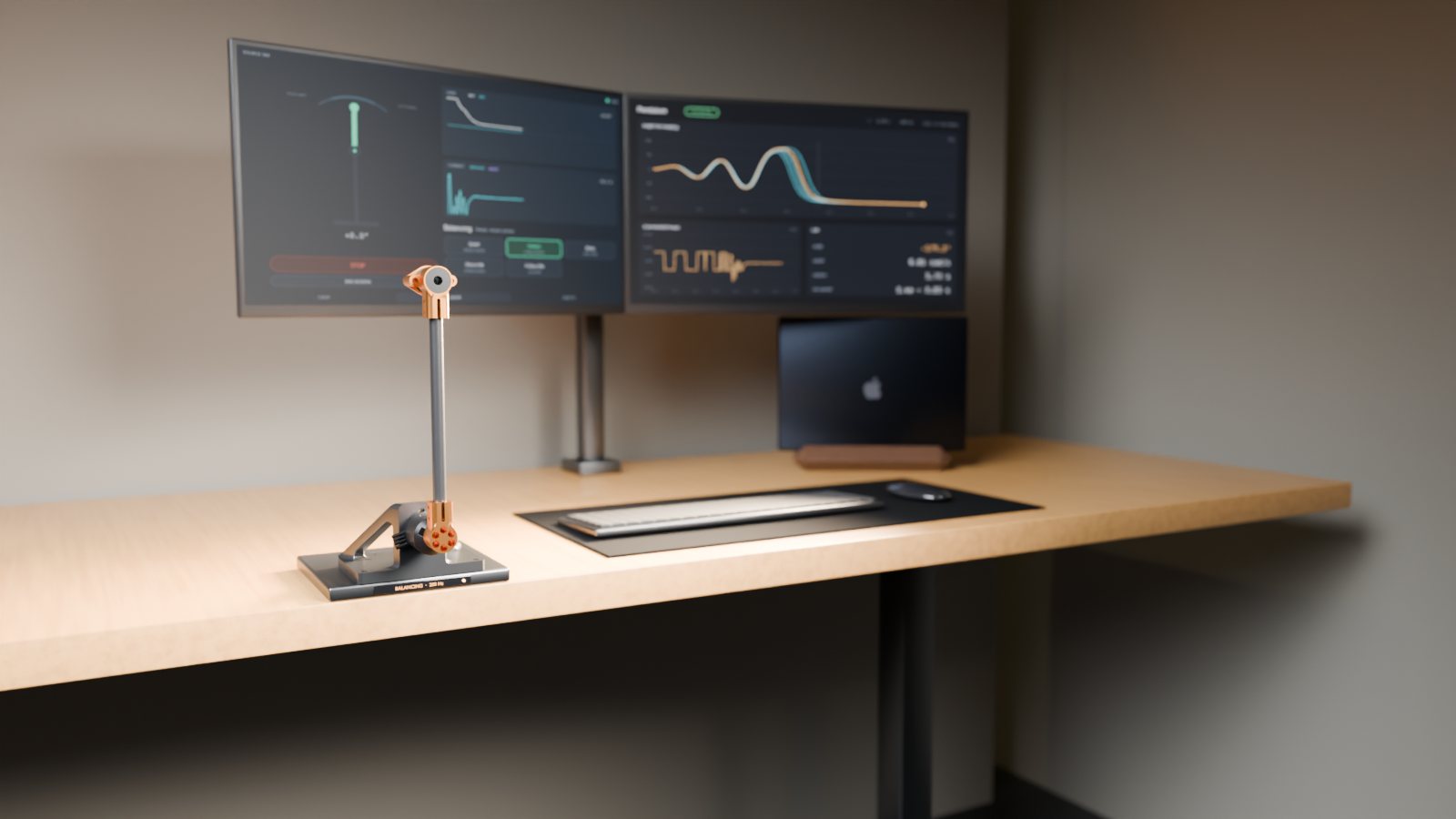
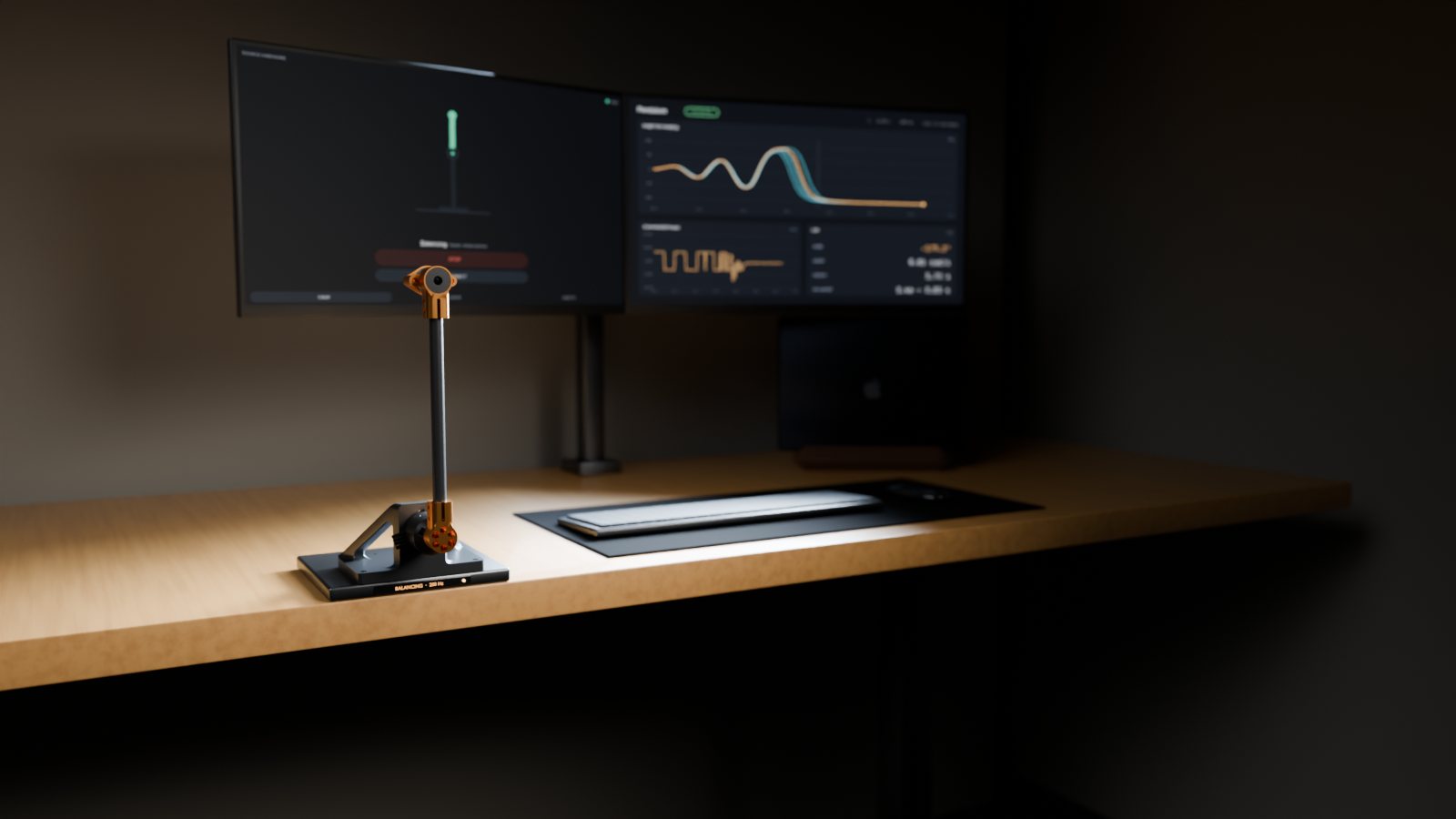
A double inverted pendulum on a bench — an actuated shoulder, a passive elbow that is sensed but not driven, a NEO 550 turned by an ODrive S1 in torque mode, and a Raspberry Pi running a Rust control loop at 200 Hz.
The single-link version swung up and balanced for the first time on 1 September 2026. The second link is not balancing yet, and it will not until I have measured the arm rather than guessed at it — there are still eight measurements marked TODO in the model file. A controller tuned against a wrong inertia does not fail loudly. It returns a plausible number, and then it fails on the hardware. So the loop stays open.
What came before
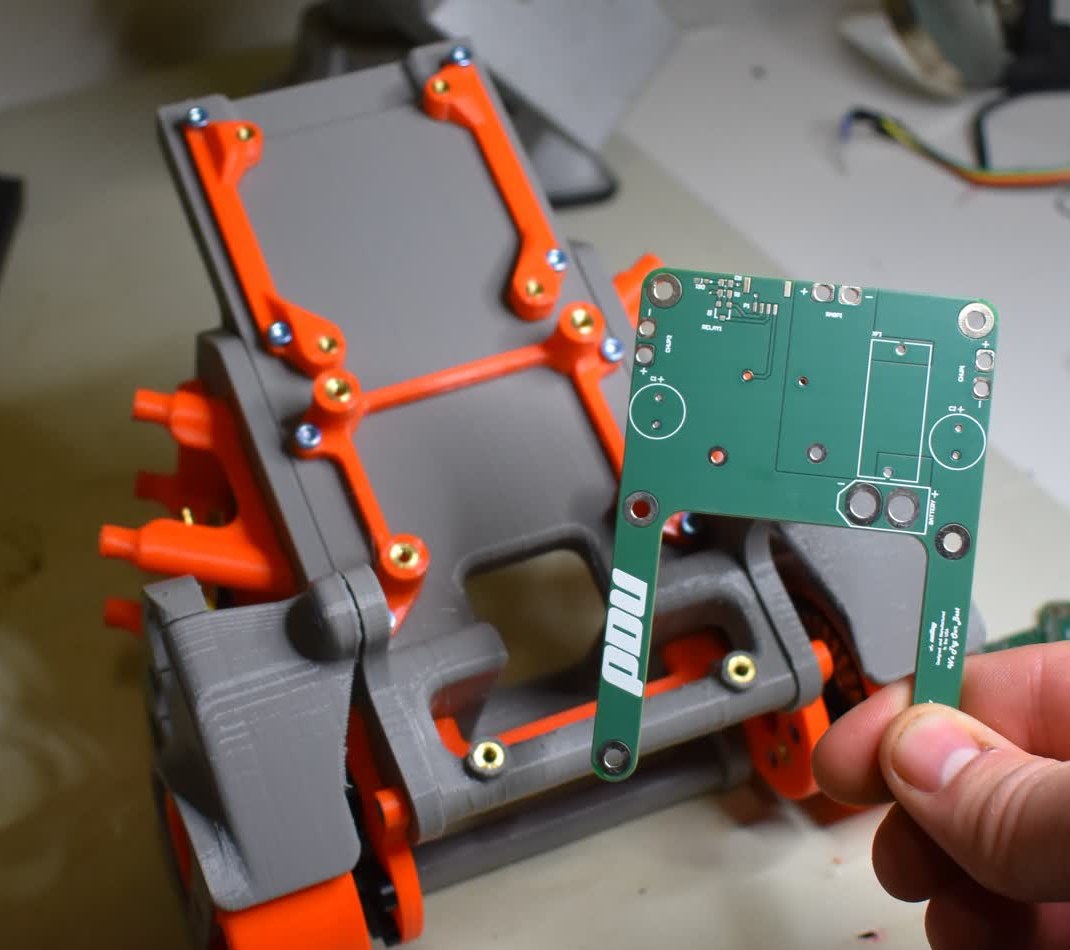
Bobble-Bot came first: a two-wheeled balancing robot with an open-source simulator, built on ROS and real-time Linux. Before that, a quadcopter flight controller I built from scratch in 2014, mostly to find out whether I could. And somewhere in among all of it, navigation firmware for a consumer outdoor product, and CAN bus drivers for a motor controller I have since retired in favor of an off-the-shelf one.
What’s next
Overboard is a DIY onewheel — a clone of the open-source Floatwheel, one hub motor, built mostly as an excuse to own a real control loop in Rust on real-time Linux. The twist is that the interesting version is the one with nobody on it. When you ride a onewheel, you are the outer loop, so a ridden board cannot teach you anything about writing one. So the driverless bench version is the primary vehicle and the rideable board is the toy. When it is ridden, balance stays on proven firmware and my code only watches.
The simulator is a long way further along than the hardware, which is to say the hardware does not exist yet.
Bobble-Bot is due a refresh too. I want to finish his autonomy stack so he can navigate around the house on his own. My daughter will get a kick out of that when she is a little older, which is most of the motivation.
Contact
Feel free to reach out if any of my work or blog posts interest you. I am happy to answer questions or talk with others who have similar interests.